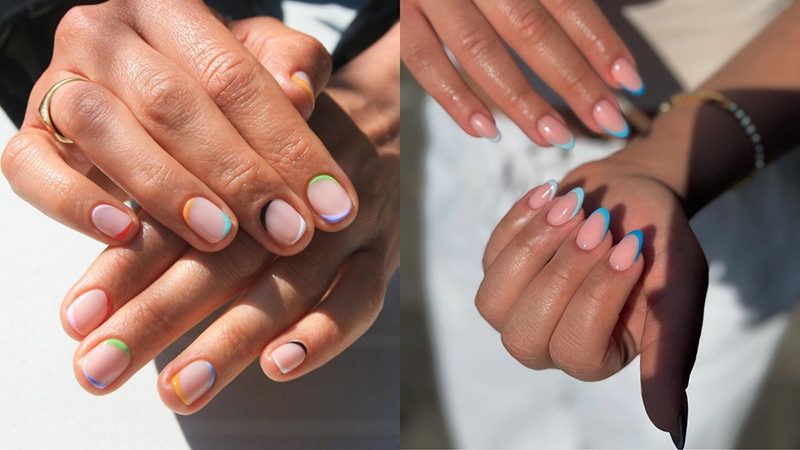
The French manicure has been a cornerstone of nail artistry for decades. Its clean, elegant lines have made it a favourite for brides, professionals, and anyone who appreciates understated beauty. But in 2026, the French manicure is evolving. The classic white tip is no longer the only option. Nail artists are reimagining this timeless look with bold colours, geometric shapes, and unexpected twists.
Here is everything I have learned about the unique French manicure trends of 2026, the different types available, and how to create your own personalised version.
2026 French Manicure Trends
Micro French. The micro French is one of the biggest trends of 2026. Instead of a thick, prominent tip, the micro French features an ultra-thin white line at the very edge of the nail. The line is barely visible from a distance, creating a subtle, sophisticated look that is perfect for short nails and minimalist aesthetics.
Colourful French. Replacing the classic white tip with any colour is a major trend. Pastel French tips for spring, neon for summer, metallic for evening, and deep jewel tones for winter are all popular. The contrast between a neutral base and a vibrant tip keeps the look sophisticated while adding personality.
Reverse French (Moon Manicure). The reverse French places the colour at the cuticle instead of the tip. A thin crescent of contrasting polish follows the curve of the nail base, leaving the rest of the nail neutral or bare. This modern, unexpected look is surprisingly flattering.
V-Tip French. Instead of a curved smile line, the V-tip features a sharp V-shape at the tip. The angular shape feels edgy and contemporary, perfect for those who want a bold statement.
Double French. Two parallel lines of colour at the tip—two shades of white, or white and a metallic accent. This adds subtle detail and visual interest without overwhelming the nail.
Ombré French (Baby Boomer). A soft gradient from a sheer nude to a delicate white tip. This style remains popular because of its modern, sophisticated appearance.
Geometric French. Replacing the curved smile line with sharp angles, chevrons, or geometric patterns. This edgy, modern twist is perfect for those who want a bold statement.
Textured French. Adding texture to the tips—matte, glitter, or chrome. This adds depth and interest to the classic design.
Types of French Manicures
Classic French. The original. Sheer nude or pale pink base with crisp white tips. Timeless and elegant.
Colourful French. White replaced with any colour—from pastels to neons to metallics.
Micro French. Ultra-thin tip. Subtle and sophisticated.
Reverse French. Colour at the cuticle. Modern and unexpected.
V-Tip French. Sharp V-shape at the tip. Bold and contemporary.
Double French. Two parallel lines of colour at the tip.
Ombré French. Soft gradient from base to tip.
Geometric French. Sharp angles and geometric patterns.
Textured French. Matte, glitter, or chrome tips.
How to Achieve a Unique French Manicure?
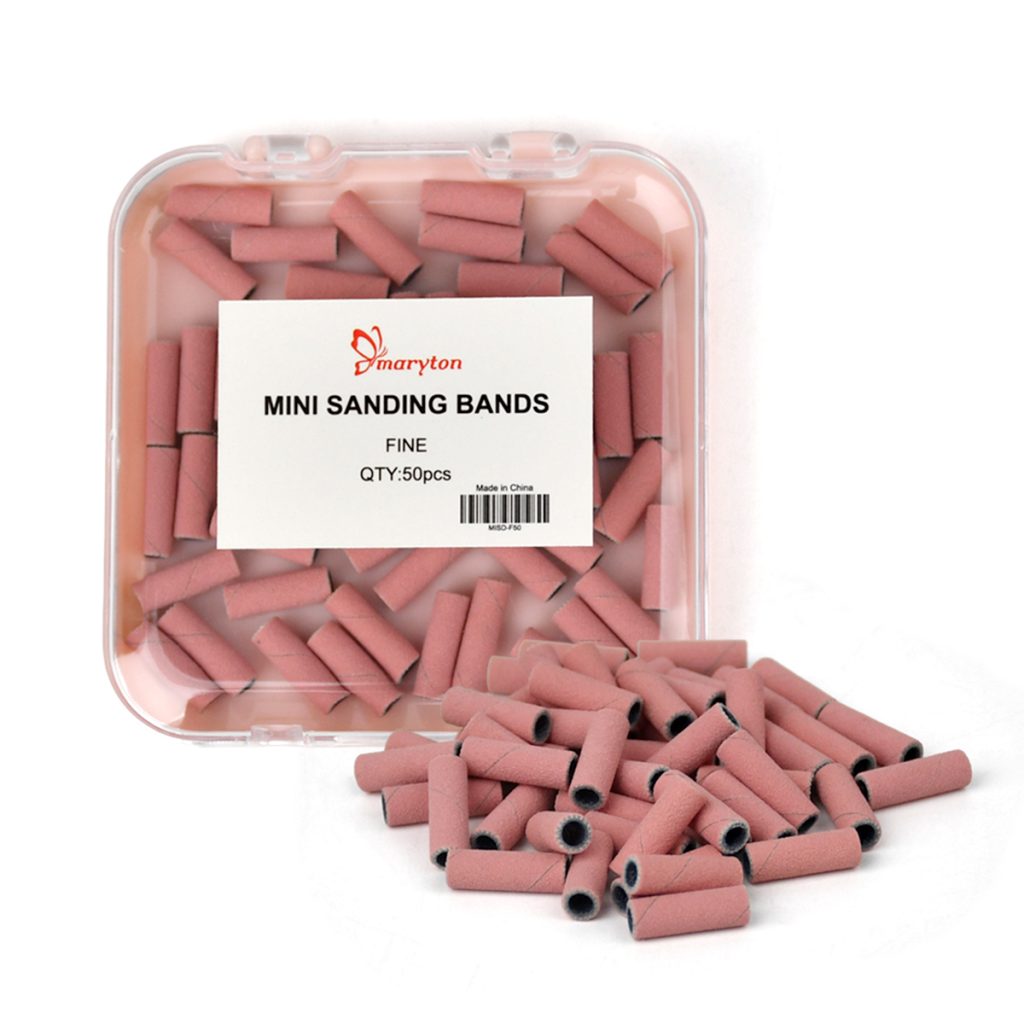
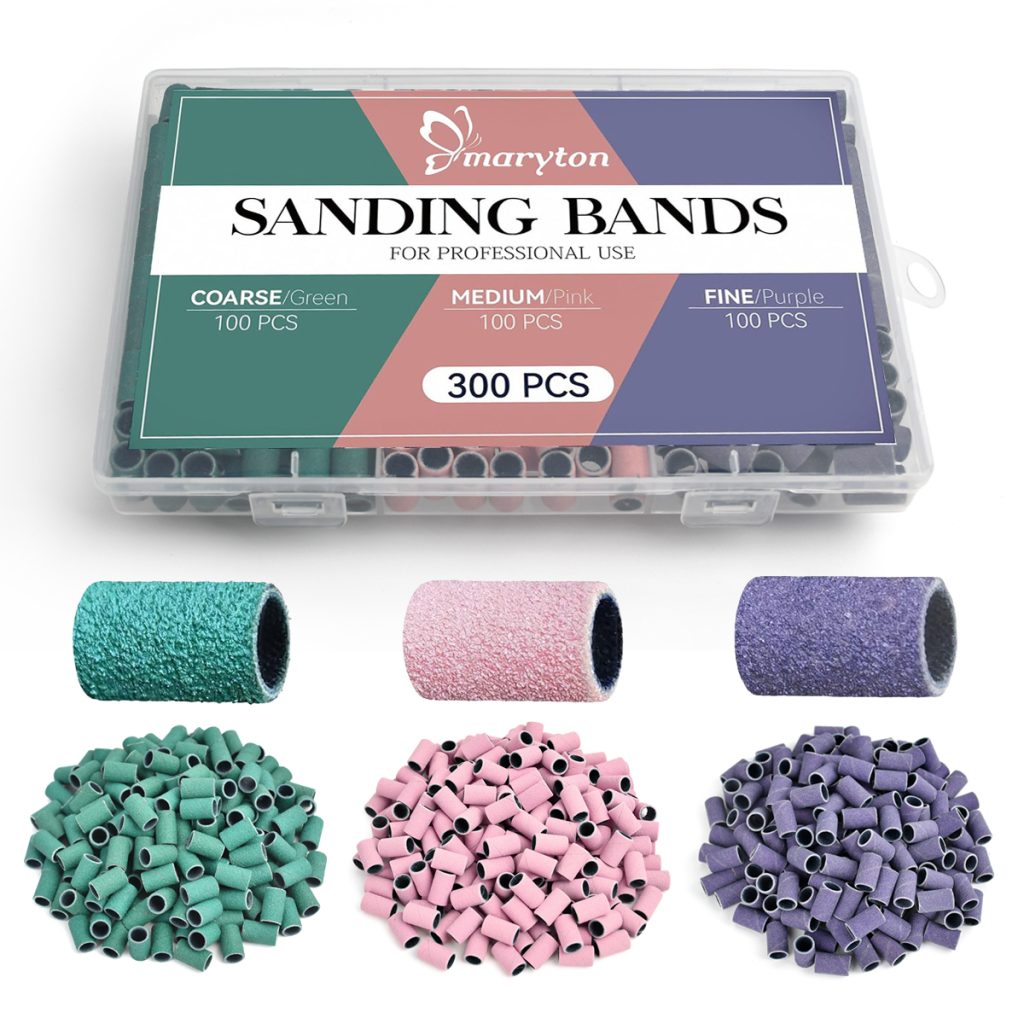
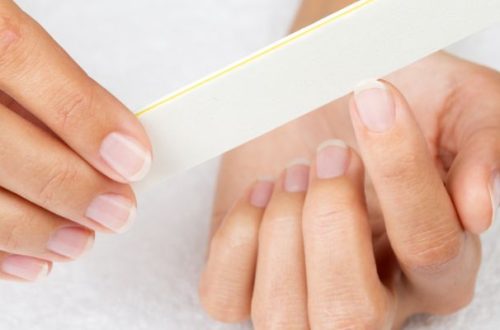
Step 1: Prep your nails. Start with clean, dry nails. Shape your nails to your desired length with mini sanding bands. Gently push back cuticles. Lightly buff the nail surface to remove shine. Wipe each nail with rubbing alcohol to remove oils and dust.
Step 2: Apply base coat. Apply a thin, even layer of sheer nude or pale pink base coat. This is the foundation of the French manicure. Apply two thin coats if needed, allowing each coat to dry completely.
Step 3: Create the tip. This is where you can get creative. Use French tip guides for a crisp, consistent line, or paint freehand for a more natural look. For a classic French, use white polish. For a colourful French, use any colour. For a micro French, use an ultra-thin brush to paint a barely-there line. For a reverse French, paint a thin crescent at the cuticle.
Step 4: Clean up. Use a small brush dipped in remover to perfect the smile line and clean any stray polish from the skin.
Step 5: Seal with top coat. Apply a generous layer of glossy top coat to protect the design, add shine, and extend wear. Cap the free edge—run the brush along the nail tip—to prevent chipping.
Adjusting the French Manicure for Nail Shape and Length
Short nails. A micro French or a thin, delicate tip works best on short nails. A thick tip can overwhelm a short nail.
Long nails. Long nails can carry a thicker tip and more dramatic shapes like V-tip or geometric French.
Round nails. A curved smile line follows the natural shape of the nail.
Square nails. A straight, sharp smile line complements the square shape.
Almond nails. A gently curved smile line works beautifully with almond nails.
Wide nail beds. A slightly thinner tip creates the illusion of narrower nails.
Narrow nail beds. A slightly thicker tip adds visual width.
Using Colour to Create a Unique French Manicure
Pastel tips. Soft, delicate, and perfect for spring.
Neon tips. Bold, playful, and perfect for summer.
Metallic tips. Gold, silver, or chrome for a glamorous, sophisticated look.
Glitter tips. Add sparkle for parties and special occasions.
Matte tips. A matte finish over a glossy base creates a modern, edgy look.
Jewel tones. Deep rich colours like burgundy, emerald, and navy for a dramatic, elegant look.
The Bottom Line
The French manicure is no longer limited to a white tip on a nude base. In 2026, it is a canvas for creativity. Whether you prefer the subtle sophistication of a micro French, the bold statement of a colourful French, or the modern edge of a geometric design, there is a French manicure for every style and occasion. With the right tools, a steady hand, and a little imagination, you can create a unique French manicure that reflects your personality and complements your hands.
Read also: The Evolution of Nail Files: From Ancient Tools to Modern Beauty Essentials


One comment on “The Unique French Manicure: 2026 Trends and Types”