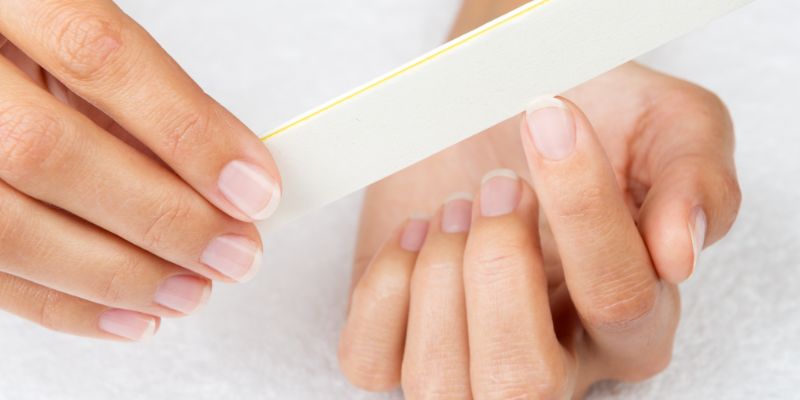
Nail files are among the oldest and most essential tools in personal grooming. They have evolved from rough stones to precision instruments, yet their core purpose has remained unchanged: to shape and smooth the nails. This guide explores the history of nail files, the types available today, how to choose the right one, their environmental impact, and the challenges facing the cosmetics industry.
The Evolution of Nail Files: A Brief History
The history of nail filing stretches back thousands of years. In ancient times, people used whatever abrasive materials they could find—rough stones, sand, and even shark skin—to shape and smooth their nails.
The modern nail file as we know it emerged in the late 19th and early 20th centuries, with the invention of metal and emery board files. These offered more consistent abrasiveness and replaced the unpredictable natural materials.
The 1950s brought new materials and designs. Glass files appeared, offering a gentler, more durable alternative to metal files. The late 20th century saw the introduction of electric files, which could shape and smooth nails faster than hand filing. Today, nail files are made from a wide range of materials, from eco-friendly glass to high-performance ceramic. The evolution is ongoing, with a growing focus on sustainability and durability.
Types of Nail Files and Their Functions
Different nail files suit different needs. Here is a breakdown of the most common types.
Glass or crystal files. Made from tempered glass, these files are gentle on natural nails. They seal the nail edge as you file, reducing peeling and splitting. They last for years and can be sterilised, making them hygienic. Glass files are ideal for natural nails, fragile or brittle nails, and anyone who wants a long‑lasting tool.
Metal files (stainless steel or medical‑grade alloys). Durable and easy to clean, metal files are coarse and aggressive, often used for acrylics and hard gels. They are not recommended for natural nails as the rough surface can cause splitting. They are best for acrylic and hard gel applications, and for removing bulk product.
Emery boards. These are cardboard or wooden files coated with abrasive particles. They are cheap and disposable, making them hygienic but short‑lived. They are available in various grits, making them suitable for both natural and artificial nails. They are best for occasional use or when you want a fresh, sterile file for each manicure.
Ceramic files. Made from fired clay, ceramic files are gentle yet durable, generating less heat than metal files. They are ideal for natural nails, sensitive nails, and finishing work.
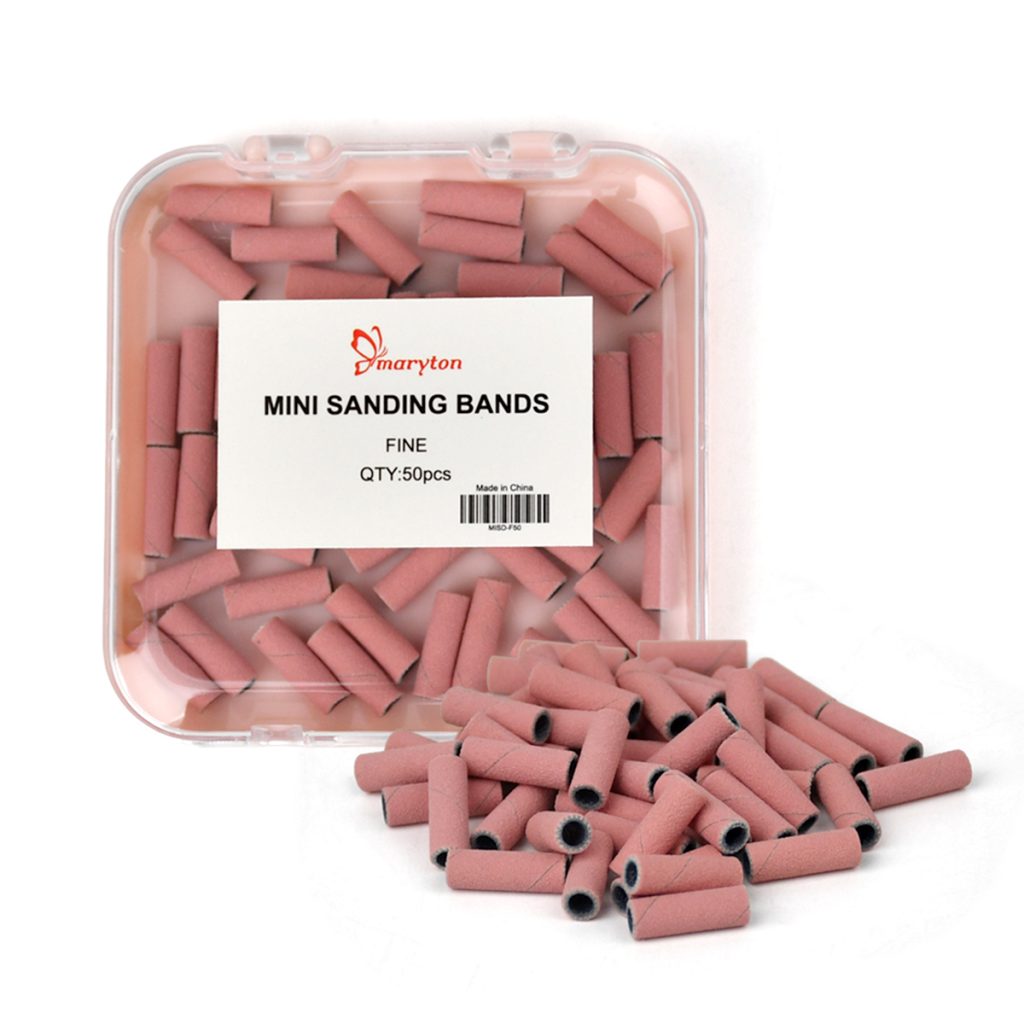
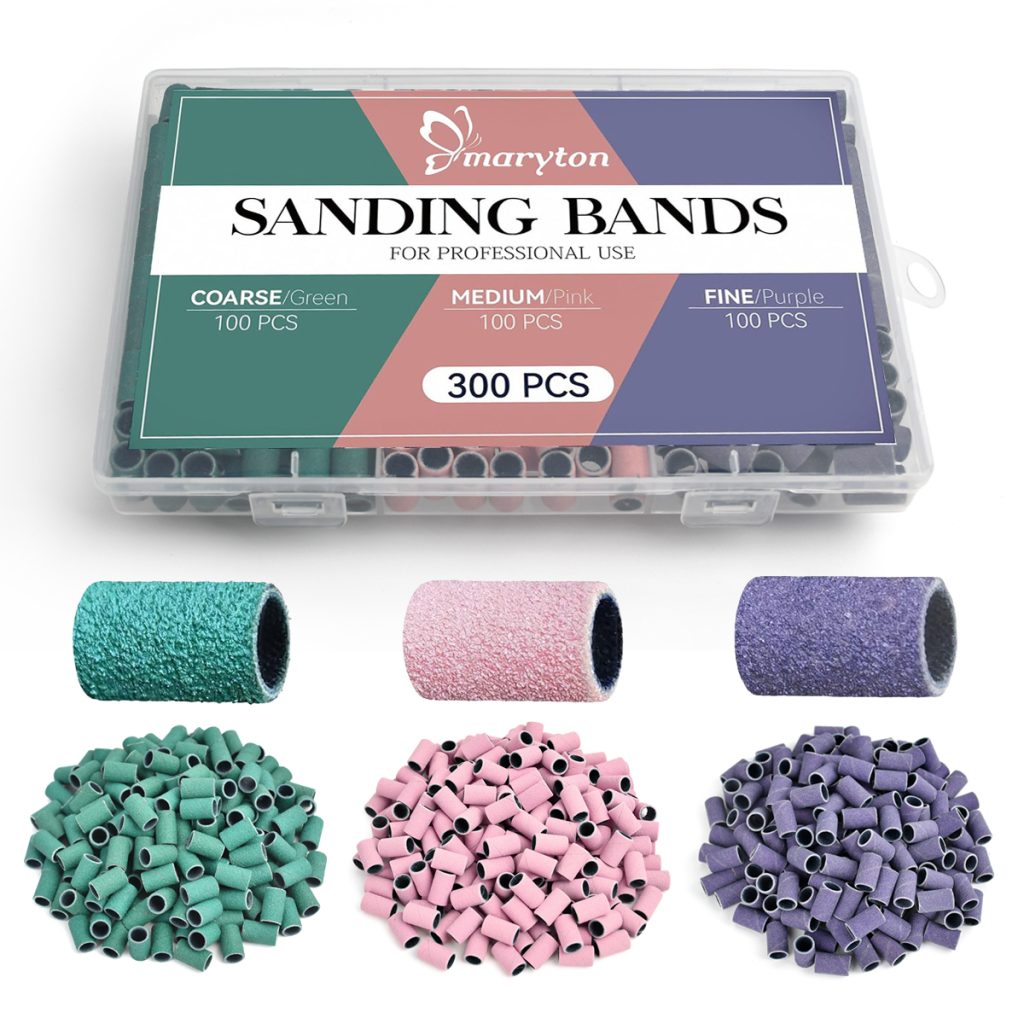
Electric files (e‑files). These are power‑driven tools with interchangeable sanding bands. They are fast and efficient, used for shaping and removing gel and acrylic products, and performing detailed cuticle work. They require practice to use safely and are best for professionals or experienced home users.
How to Choose the Ideal Nail File
Choosing the right nail file is about matching the tool to your nail type and the task at hand.
For natural nails: Choose a fine‑grit glass or ceramic file. A grit of 180‑240 is ideal. Avoid metal or coarse files, which create micro‑tears that lead to peeling.
For acrylic or gel: Use a coarser file (100‑150 grit) for shaping and removing bulk. A finer file (180‑240) for smoothing. Metal or emery boards work well.
For sensitive nails: Glass or ceramic files are the gentlest options. They create a smooth edge without thinning the nail.
For durability and hygiene: Glass files are the most durable and can be sterilised, making them a hygienic choice. Emery boards are disposable and good for one‑time use.
For travel or convenience: A small emery board or mini glass file is compact and portable.
The Environmental Impact of Nail Files
The cosmetics industry is increasingly aware of its environmental footprint, and nail files are no exception.
Emery boards. Most emery boards are single‑use and end up in landfill. Their cardboard backing and abrasive coating are not easily recyclable. The environmental impact of manufacturing and disposing of millions of emery boards is significant.
Metal files. Metal files are durable and can last for years, reducing waste. However, they require energy to produce and are often not recycled due to their material composition.
Glass files. Tempered glass files are durable, reusable, and can be sterilised. They are one of the most environmentally friendly options—they last for years, reducing the need for replacements. However, glass production requires energy and resources.
Ceramic files. Similar to glass, ceramic files are durable and long‑lasting, reducing waste. They also require energy to produce but offer a lower environmental impact than disposable files.
Eco‑friendly alternatives. Some brands are developing biodegradable or compostable emery boards. Others are using recycled materials or reducing packaging. These are steps in the right direction, but the industry still has progress to make.
Challenges in the Nail File Industry
The cosmetics industry faces several challenges related to nail files.
Consumer awareness. Many consumers do not understand the difference between file types, using metal files on natural nails or applying excessive pressure. This leads to damaged nails and frustration. Education on proper filing technique and file selection is essential.
Sustainability. The industry is under pressure to reduce waste and develop more sustainable products. This means finding alternatives to single‑use emery boards and minimising packaging.
Quality and durability. Low‑quality disposable files wear out quickly, creating a cycle of frequent replacement and waste. Manufacturers face pressure to offer affordable, durable, and hygienic tools.
Regulation. As sustainability regulations tighten, manufacturers must comply with standards on materials, sourcing, and disposal. This adds complexity and cost to production.
Innovation. There is a constant push for innovation—developing better abrasives, more durable materials, and eco‑friendly options—while keeping costs competitive.
The Bottom Line
Nail files have come a long way from rough stones and shark skin. Today, they are precision tools designed for specific nail types and tasks. Glass and ceramic files offer durability and gentleness, while metal and emery boards serve specialised purposes. The industry faces challenges—consumer education, sustainability, and innovation—but the trend is toward durable, reusable tools that are kinder to the environment. By choosing the right file for your nails and practicing proper technique, you can achieve beautifully shaped, healthy nails without waste.